
CORPORATE

31% to 73%: Scaling Production-Ready AI for Image Descriptions with Arty

Combining AI, intelligent quality assurance, and expert editorial review to provide useful and accessible image description for scholarly images.
Sandeep Dhawan

Senior Executive VP at Lumina Datamatics

Making scholarly content accessible to everyone is a core part of the mission at Rockefeller University Press (RUP). But as submission volumes grew and accessibility standards expanded, RUP hit a familiar bottleneck: how do you write accurate, meaningful image descriptions for hundreds of thousands of complex scientific figures without slowing down production?

The Challenge: Describing Appearance vs. Conveying Meaning

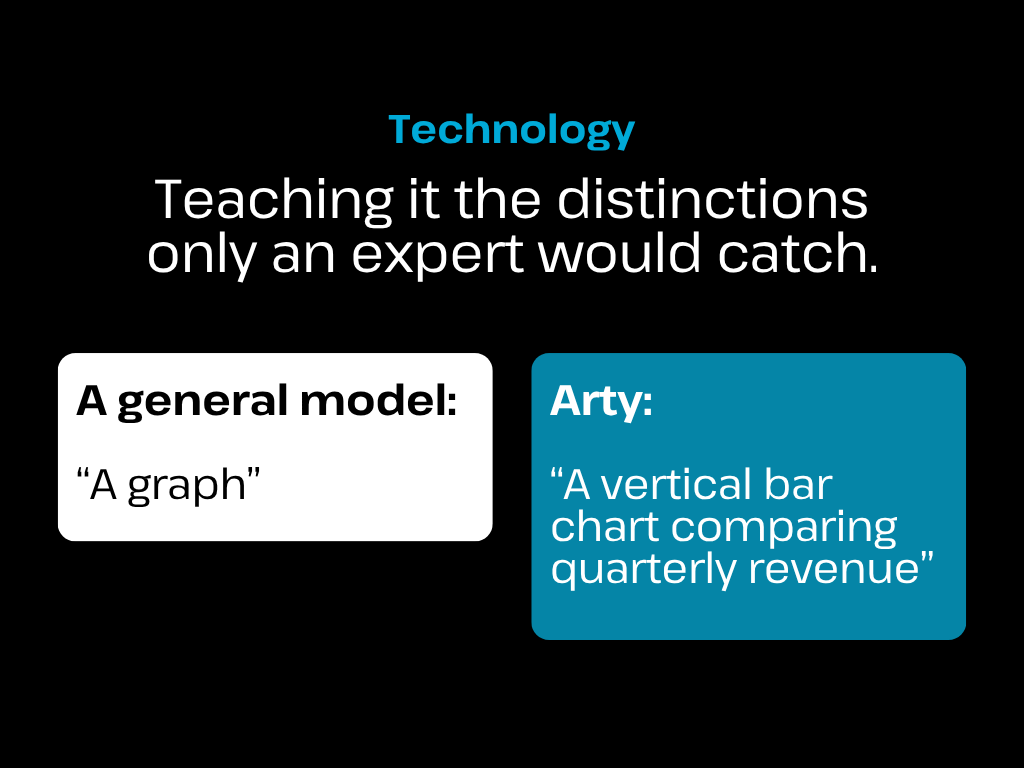
Creating alt text for scientific illustrations, charts, and graphs requires an understanding of how the image fits into the context of the larger research, not just basic image recognition. Generic tools might see “a chart with lines,” but the reader needs to know what those lines actually represent.

RUP needed a way to:

  • Scale the creation of image descriptions across their entire publishing program
  • Maintain strict compliance with WCAG 2.1 AA guidelines
  • Cut down on unnecessary editorial work
  • Keep authors confident in the accuracy of their published research


They needed a solution that could handle the heavy lifting without compromising on editorial quality.

The Solution: Meet Arty

To solve this, RUP teamed up with TNQTech, a Lumina Datamatics company, to roll out Arty, Lumina Datamatics’ AI-powered accessibility assistant built specifically for the nuances of scholarly publishing.

During the initial rounds of testing, only 31% of Arty’s image descriptions were found to be accurate, so our teams worked together to tackle the problem from three angles, resulting in a solution that combines domain-trained AI with a clever quality-assurance loop and expert human validation:

1. Teaching the AI to Understand Context

We fine-tuned Arty on actual scholarly datasets and strict WCAG guidelines so it understood what the image was trying to convey, rather than just being technically descriptive.
2. A Second Set of Eyes for Quality Assurance

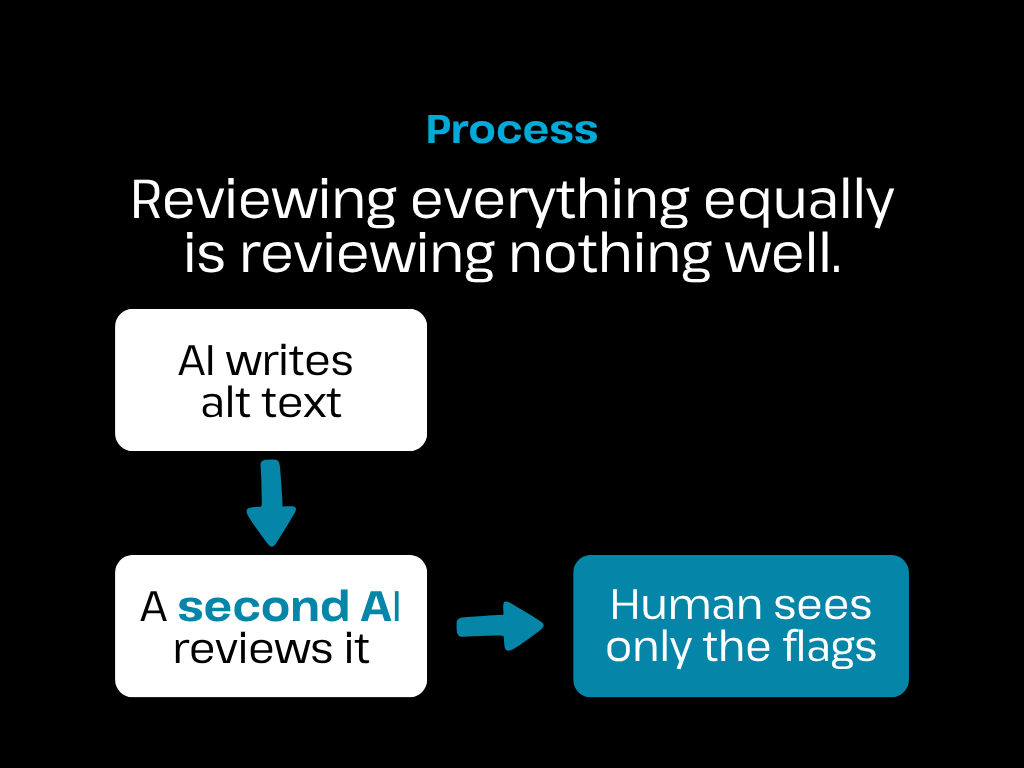
Instead of having reviewers evaluate every single description created by Arty, we built a second AI agent to act as a gatekeeper. This QA layer evaluates every description for, among other things, reading difficulty, contextual relevance. writing style, language bias, and accessibility compliance.
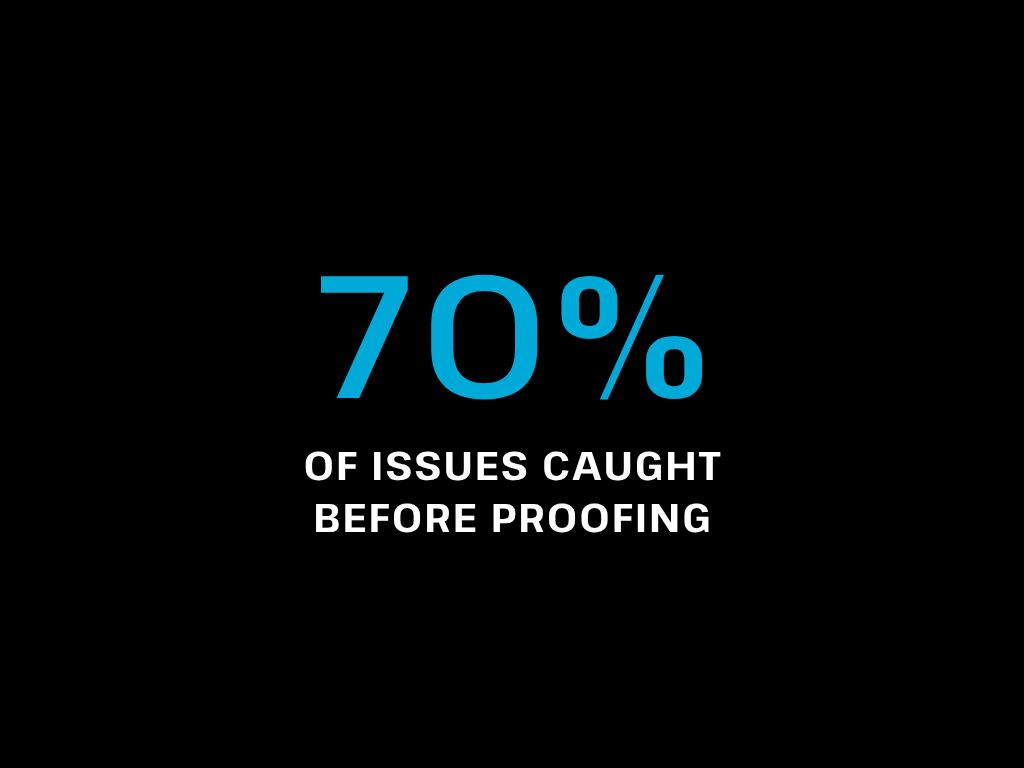
If the AI isn't entirely confident, it flags the image for human review. This means reviewers only step in when their judgement is actually needed.
3. Keeping Humans in the Loop

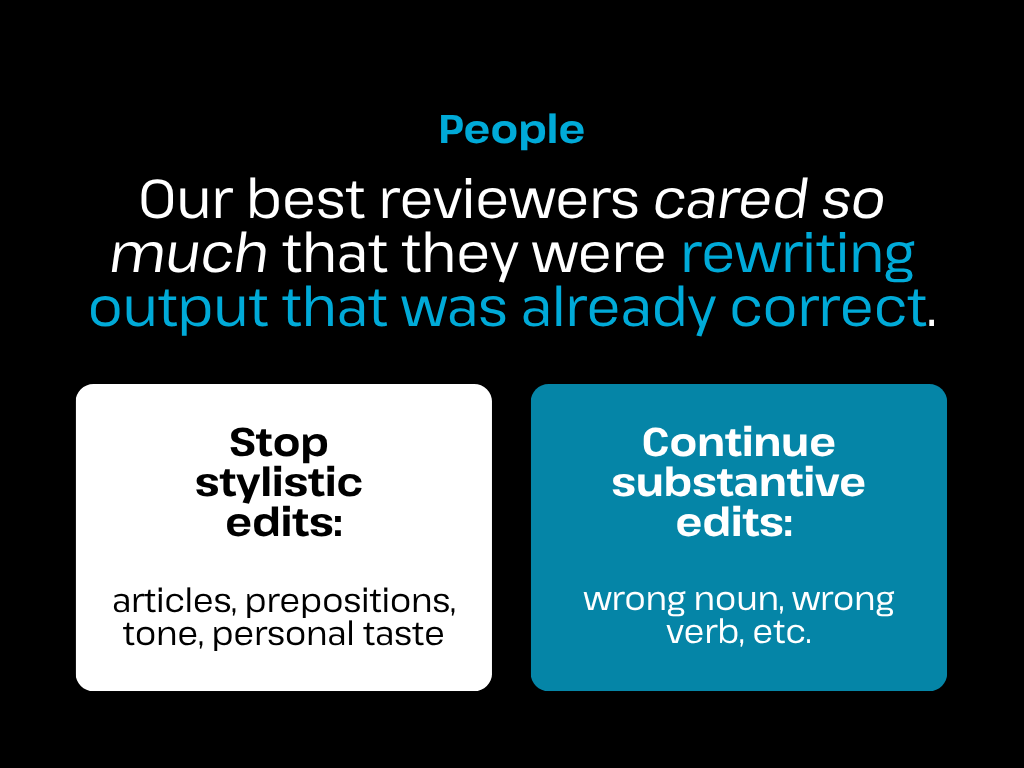
Technology was only half the battle. The difference between “Red and white aircraft” and “A red and white aircraft”, for instance, is not important to readers who need these descriptions. So we also trained our reviewers to make substantive edits rather than spend time on stylistic edits.

The Results: Proof in the Numbers

In a massive test of 8,000 images, Arty’s accuracy was nearly identical to human experts. The AI-generated descriptions had a Levenshtein Edit Distance of just 6.1%—meaning the AI’s work was so accurate, it required barely any editing to match human quality.

Today, 73% of Arty’s descriptions are used exactly as they are.

Even better, the authors themselves are happy. RUP lets researchers review the alt-text during the proofing stage. Rob O’Donnell from RUP shared the impact:

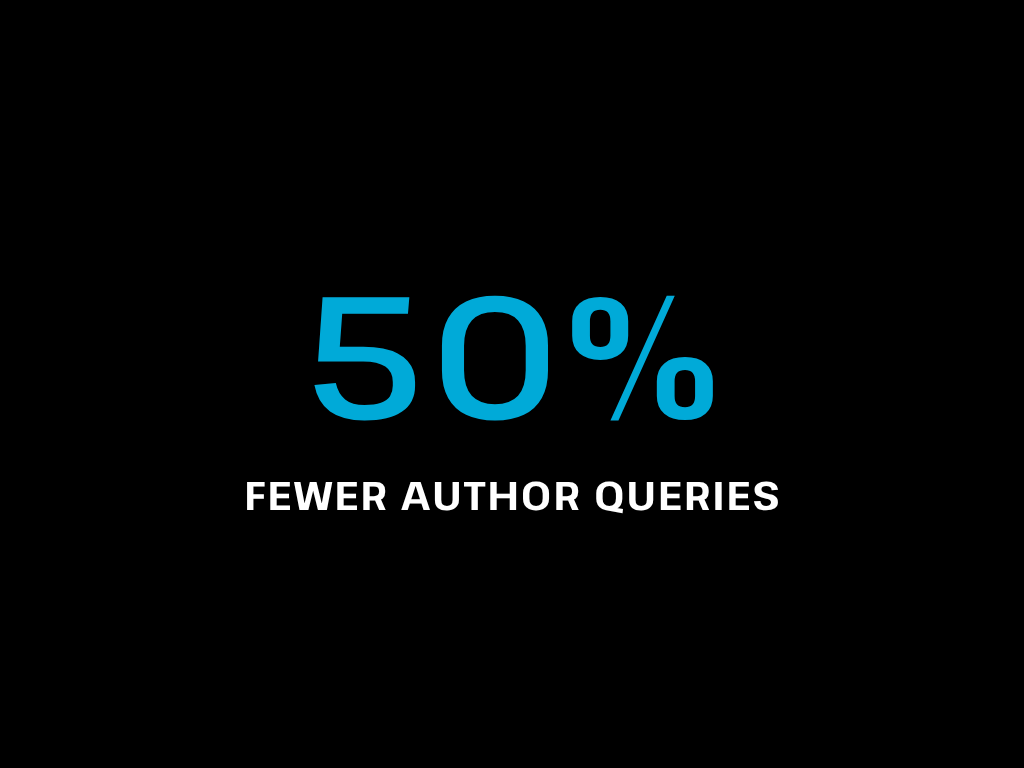
"50% of the time, they’re not touching the image descriptions at all. But what is promising is that 50% of the time they do, they’re never making significant changes... they’re reading them and they’re happy with them, and that’s very important."

Rob O'Donnell | Senior Director of Publishing at Rockefeller University Press

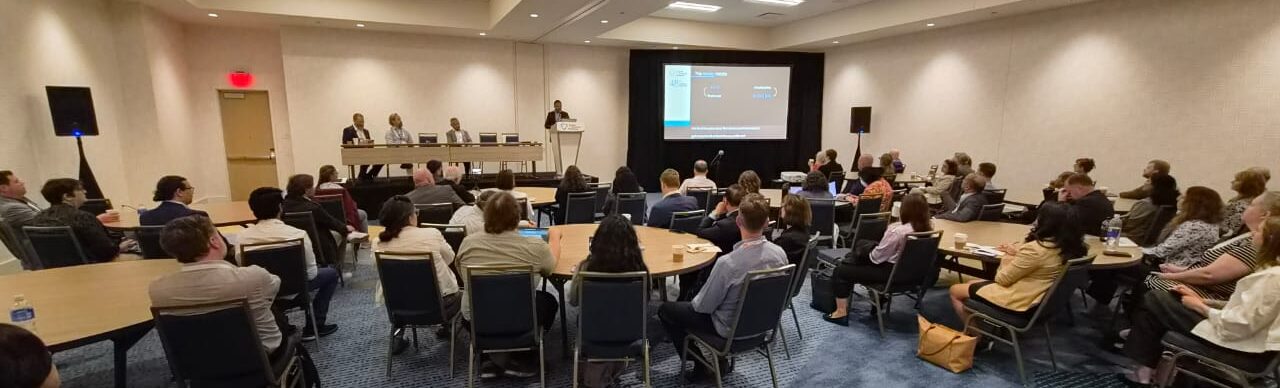
By combining smart AI with calibrated human oversight, we proved that publishers can scale accessibility without sacrificing quality. As Bill Kasdorf noted from the audience at the SSP 2026 conference:

“I’ve reviewed thousands of image descriptions from scores of publishers over the years. When I saw the recent result that Rob and his staff had to show me, I was blown away by how good they were. Their AI is actually getting it right now, it’s quite extraordinary. I’d say this is one of the best I’ve seen."

Bill Kasdorf | Accessibility Consultant at Kasdorf & Associates
Ready to Scale Your Accessibility?

Discover how Arty and other innovative solutions from Lumina Datamatics and TNQTech can transform your publishing workflow, ensure WCAG compliance, and reduce editorial overhead.

Read the full report on how Arty was made production-ready.

Visit the Lumina Datamatics website to learn more and request a demo.